Insurance
Storm Damage Insurance Claim
Most storm damage to roofs is covered. The claim goes smoothly when you have photos, an early call to the insurer, receipts for the temporary repair and a written quote.
Tell us in 3 taps and one local roofer rings you back, 6am to 7pm, seven days a week.
Free, no obligation. One local roofer rings you back, 6am to 7pm, seven days a week.
Claiming for storm damage
- Make it safe. Check everyone is safe before anything else, and watch for downed power lines.
- Take photos and video. All the damage, inside and out, close up and wide, as soon as it's safe.
- Tell your insurer or broker. As soon as you find it. Give brief details and ask for a claim form.
- Stop the damage getting worse. Get a temporary repair. Insurers usually pay for temporary repairs, so keep receipts.
- Get a quote for the full repair. Your insurer may ask for a quote from a roofer. Check they'll cover the cost before work starts.
- Meet the loss adjuster. The insurer may send one. A loss adjuster works for the insurer; a loss assessor works for you and you pay their fee.
- Settlement. A simple claim can settle in about two weeks; a difficult one in a month or two.
Sudden damage, not wear and tear
Home policies cover sudden events like a storm, not a roof that has worn out. Read your own policy wording. Gutters, downpipes and a few slates or tiles are the typical minor storm claim; common exclusions are fences and gates, and older felt roofs. Insurers will also usually pay for alternative accommodation if the home becomes uninhabitable.
Is it worth claiming?
The excess is the part you pay yourself, generally between €100 and €300, and you can't claim for less than it. For a slate or two, with an excess of €250 or so and your no-claims bonus at stake, it may not be worth claiming. So for a small job, get the roofer's price first, then decide.
Deadlines insurers must meet
Insurers must tell you of developments on your claim within 10 working days of learning of them, and give you their decision within 5 working days of making it. A claim generally can't be refused just because you reported it late, if the delay didn't harm the insurer. The CCPC sets out your rights.
If you disagree with the outcome, complain to the insurer's claims manager and complaints department first. If you're still not satisfied after the final response letter, the Financial Services and Pensions Ombudsman is free to use.
What the roofer gives you
Ask the roofer for photos of the damage from the roof (you can't take those safely), a written note of what they found and did on the temporary visit, the receipt for it, and a written quote for the full repair. That's what the insurer or their loss adjuster will ask you for.
Water coming in? Do this first
- Stay safe. Don't go on the roof or up a ladder in wind or rain. Keep clear of anything hanging loose.
- Catch the water. Buckets under drips, move what you can, and switch off lights or sockets near the wet.
- Take photos and video of the damage inside and out, close up and wide, once it's safe.
- Get a roofer out for a temporary repair, and keep every receipt. Insurers usually pay for temporary repairs.
- Tell your insurer as soon as you can.
Roof jobs we pass on
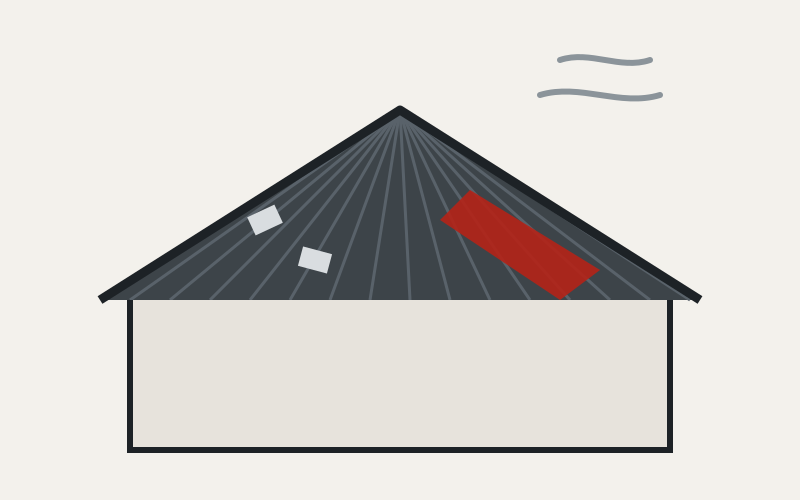 Storm damageSlates off, ridge loose, flashing lifted. €600 to €3,000+.More on storm damage →
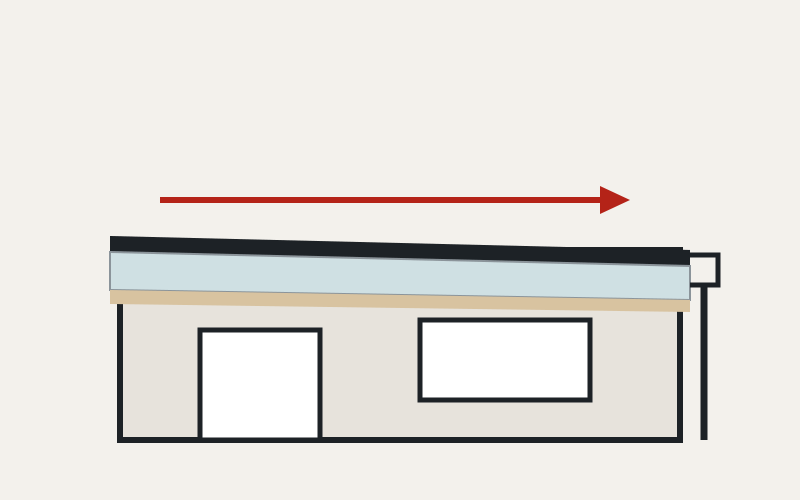 Roof leaksFinding where the water really gets in. €300 to €900.More on roof leaks →
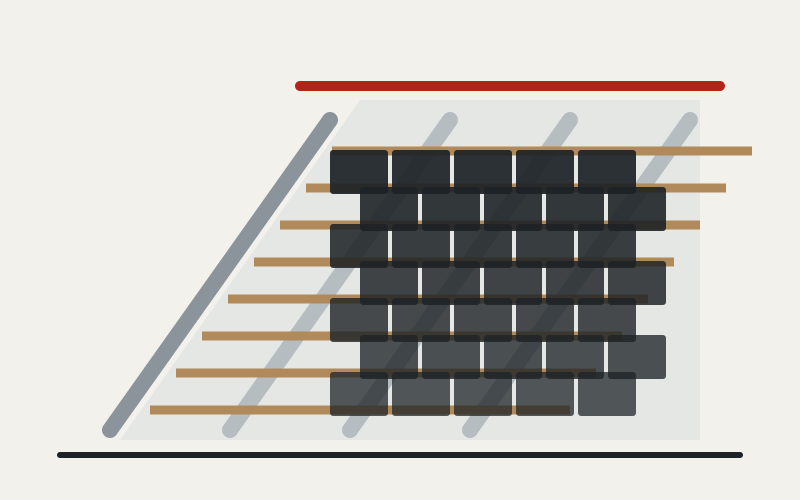 Slipped slates and tilesRefixed or replaced before the wind lifts the next. €350 to €1,100.More on slipped slates and tiles →
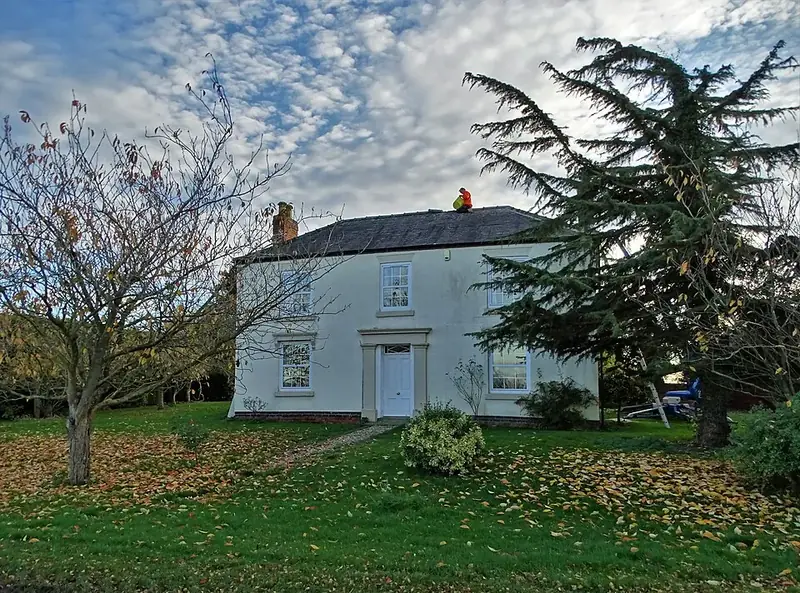 Chimney and flashingLead, soakers and back gutters. €650 to €2,500.More on chimney and flashing →
 Gutters after a stormDown, loose or overflowing, and the damp it causes.More on gutters after a storm →
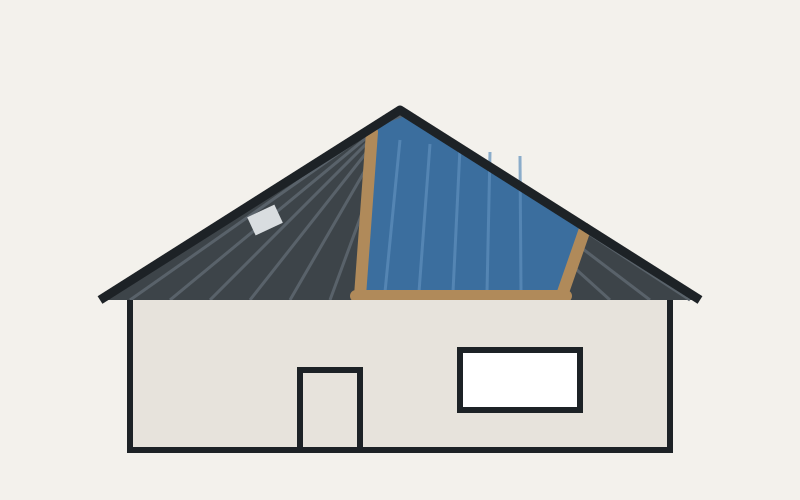 Emergency tarpingKeeping the weather out until the repair.More on emergency tarping →
Every area and town we cover
- Louth49,332 households
- Meath72,549 households
- Monaghan22,855 households
- Cavan28,776 households
- North Dublin107,599 households
- DundalkCo. Louth
- DroghedaCo. Louth
- ArdeeCo. Louth
- NavanCo. Meath
- AshbourneCo. Meath
- TrimCo. Meath
- KellsCo. Meath
- Monaghan townCo. Monaghan
- CarrickmacrossCo. Monaghan
- CastleblayneyCo. Monaghan
- ClonesCo. Monaghan
- Cavan townCo. Cavan
- VirginiaCo. Cavan
- BailieboroughCo. Cavan
- CootehillCo. Cavan
- Swordsnorth Dublin
- Balbriggannorth Dublin
- Malahidenorth Dublin
- Skerriesnorth Dublin
What's happened
Tell us what's happened in 3 taps
Tap what's wrong and leave your number. It goes to one roofing company that covers your area, and they ring you back, 6am to 7pm, seven days a week.
Questions people ask
Do I have to wait for the loss adjuster before a repair?
Not for an emergency repair to stop water getting in. Take plenty of photos first so the damage can be proven. Hold the full repair until the insurer has seen it or agreed.
Will my premium go up?
A claim can cost you your no-claims bonus on the home policy. Ask your insurer or broker before you claim on a small job.
Should I use a loss assessor?
It's your choice. An assessor negotiates for you, and their fees aren't covered by your policy.
Can a claim be refused for being late?
Generally not just for that, if the delay didn't harm the insurer. Still, report it as soon as you can.
Roof damaged? Tell us in 3 taps
One local roofer rings you back, 6am to 7pm, seven days a week. Free, no obligation.